 Travel Designers
Hurricane Season – When is it?
The destruction that hurricanes can cause is distressing and those that live in the hurricane areas know that each year it is a possibility. However, not everyone knows about Hurricane Season. I often get asked: When is it? When does it happen? Why does it happen? Where does it happen? Many countries have hurricane and Tropical storm seasons which is why it’s always a good idea for those planning a holiday to a new destination to check.
The Caribbean or the South East coast of America is popular with the British for the school holidays but it is Hurricane Season. The season runs from June to late November with September and October being the most active of the months. However, as global warming continues to be a topic of discussion and the effect it has on our weather all over the world. Many parts of the world are seeing unusual activity in areas that have never normally been affected by hurricanes.
So how do you avoid hurricane season and where can you find the information to help you out? Find out more
Hurricane Season why does it happen?
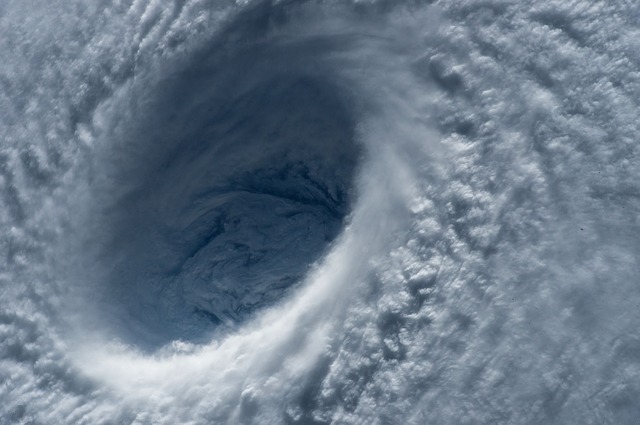
Throughout the summer months, the seas warm up and hurricanes or their scientific term tropical cyclones, use warm, moist air as their fuel, the warm air rises, and causes an area of lower air pressure below. Only tropical cyclones that form over the Atlantic Ocean or the eastern Pacific Ocean are called “hurricanes.”
As the warm, moist air rises it cools off. The water in the air then forms clouds. This process of clouds and wind continues to spin and grow, constantly fed by the ocean’s heat and water evaporating from the surface. The process forms an eye in the middle of the spinning clouds and the winds continue to build. Only once they reach a minimum of 39mph does the storm earn the name of a Tropical Storm, once a speed in excess of 74mph is recorded the storm is upgraded to a cyclone or a hurricane and a Category 1.
Tropical Cyclones – How are they rated?
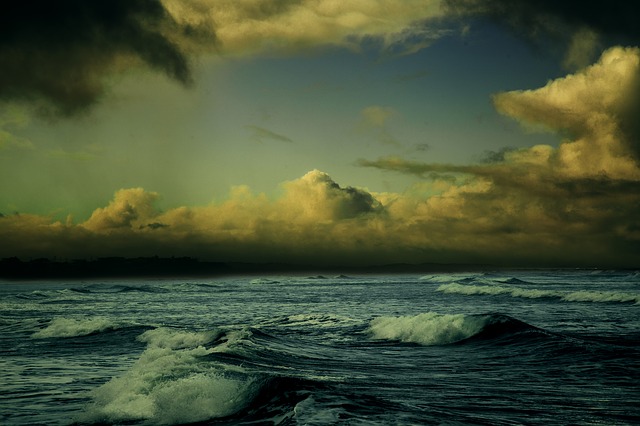
Tropical Cyclones are rated by categories ranging from 1 to 5 with Category 1 starting at 74mph and considered moderate up to a category 5 which records speeds of over 157mph and is considered catastrophic. To give you an idea on recent hurricanes that have reached our news, just consider Hurricane Harvey (category 4) and Irma (category 5) this year (2017) caused havoc in America and may still surpass (in terms of cost and damage) the previously strongest Hurricane Katrina (category 3) in 2005.
Hurricane Harvey recorded rainfall of up to 51.88 inches in comparison to Katrina with only 10 inches however the flooding caused the most expensive by Katrina which was due to the levees surrounding New Orleans which burst and added to the storm damage. However, it was Irma that had the scientists calling for a new category 6 to be brought into place due to the length of time she kept her strength.
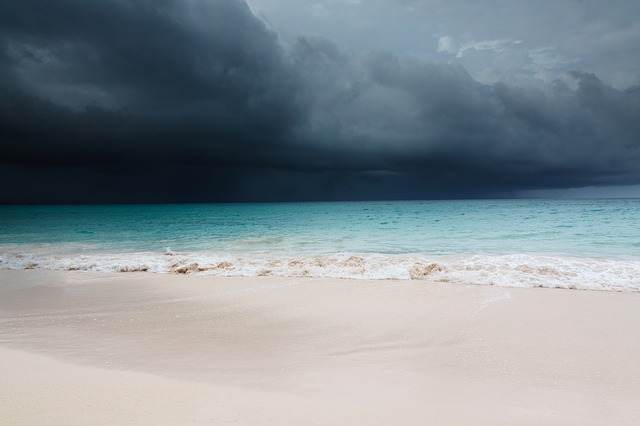
Do Hurricanes just happen in the Caribbean?
Hurricanes don’t just happen in the Caribbean, they are the most prevalent in the Atlantic and the Pacific Ocean but they do happen all over the world and the name given to them depends on the part of the world that the storm takes place, other names for hurricanes are tropical storms and typhoons. The Pacific typhoon season and most tropical cyclones typically develop between May and October, but of late have been falling into the early part of November.
Countries affected by Pacific typhoons are in Southeast Asia mainly the Philippines, Vietnam, Cambodia, Thailand and Laos are affected. There is no set time for these typhoons but peak between th emonths of July and November. Countries closest to the equator who possess a tropical equatorial climate such as Indonesia, Malaysia and Singapore, don’t tend to experience major climatic peaks in their weather patterns.
The Indian Ocean is another area that is prone to tropical cyclones and cyclones in this part of the world tend to form between April and December, with the most active time being May to November.
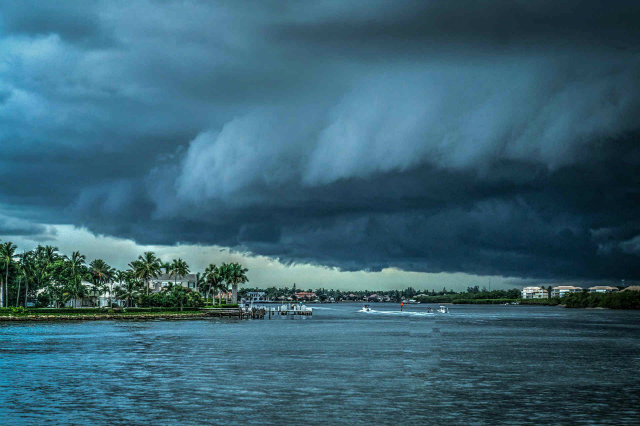
How can you avoid Hurricanes and Typhoons?
When planning your holiday check what the weather pattern is like for the time of year, make sure you are not looking at the peak times for hurricanes and typhoons. Prices will be a clear indicator as to the time of year as the highest prices are normally shown for the peak time to travel to the destination. Peak times will be when the best weather is going to be for that destination, hence the levy on hotel and flight costs.
However that said, many people choose to experience these stunning destinations out of season when the prices are lower, even if there is a risk of hurricanes or Typhoons. We don’t advise traveling to destinations at a time of year when there are severe weather patterns, but we also understand that at times the weather has a mind of its own. Tropical destinations bring with them the chance of freak weather even at a time when the weather should be perfect for visiting. This will continue to be the case with global warming and the shifting patterns of our weather systems throughout the world. We can only advise if you are planning a trip of a lifetime, the weather should be a consideration and if your budget will stretch, avoid the chance of any unusual activity at all costs.
How do Hurricanes get their names?
Names of storms are issued by the World Meteorological Organization and there is a six-year list of hurricane names. When a hurricane name has been so deadly or costly is removed from the list and retired never to be used again. The naming of storms was used to be able to report them with shorter easier to remember names. The US started with Female names back in 1953 and then added male names to the list in 1978
Go Easy Travel have over 20 years of experience in tropical destinations and can help plan detailed escorted tours giving customers a real taste of the destinations they are visiting. call 01256 536020 for more details or Contact Go Easy Travel email and inquiry today.